


15+ Toys To Enhance Development (Hint: You Have Some Already in Your House)
There are two different types of memories that many adults have surrounding the "Speech room" at school as a child: 1) Being excited for your 'Speech day' because it meant that you got to play board games 2) Being jealous of that one friend who got to go play with the Speech teacher while you were sitting in Social Studies. As an adult, you may have started to wonder how much of your time in that room was actually spent learning since it was always filled with fun games (that did NOT feel like work). Well, the truth is you were learning the whole time! Children learn best through play. Yes, you heard that right. Although there are benefits to sitting in a chair and practicing arithmetic, when it comes to early child development, research shows that play is the most effective method of learning. This is why there are so much hype surrounding toy subscriptions recently. I must admit that I am a big fan of many of the toys that Lovevery and KiwiCo design! Meanwhile, if you want to avoid the big sticker price and utilize many objects that you might have lying around the house, I am here to tell you the play milestones that your child will go through as they age and the toys that will enhance the type of play for each milestone.
Play it by (y)ear
The First Year
Age | Type of Play | Appropriate Toys |
0-3 months | Visual interest |  |
2-4 months | Banging and shaking |   |
5-8 months | Sitting up to explore objects | ** This activity cube is a little pricier than what I typically recommend for a "low cost option," but this will follow your child through many developmental play stages and can be used to work on several different skills for all types of development (play, language, cognition, fine motor, and gross motor) including but not limited to sitting up, pincer grasp, counting, and learning colors. This toy defines "bang for your buck!"  |
8-10 months | Cause-and-effect play (learning that one action leads to another) | Use the stacking cups linked above to build/knock down or the shape sorter to make shapes disappear into the cube  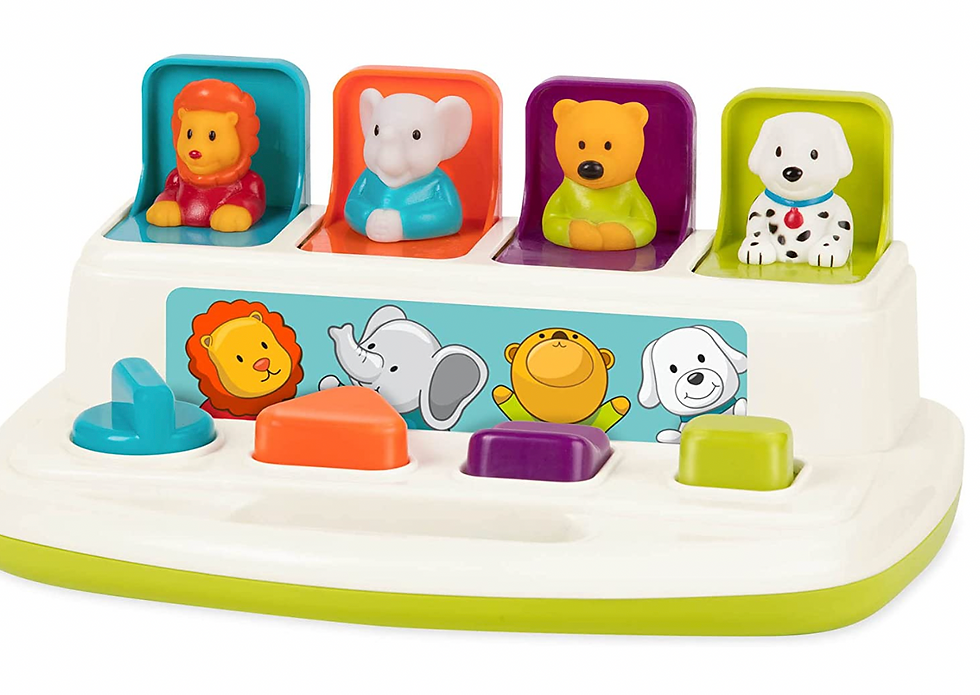 |
10-18 months | Single function play schemes (single step play routines that will eventually turn into multi-step routines) | Feed the baby, eat the food, drink from cup   ** These toys will be used for years to come! |
The Second Year
Age | Type of Play | Appropriate Toys |
16-18 months | Imaginative play | This play is VERY exciting and fun. It doesn't require a toy because it is when everything becomes a toy through imagination. Use your kitchen spoon as a microphone or a banana for a telephone! Get creative! |
18-24 months | Multifunction play schemes (Remember those single function play schemes from earlier. You will now see that your little one is starting to add more steps to those same play schemes.) | Revisit the baby doll and kitchen utensils/food from earlier! Model how to put multiple steps together when your child engages in the first step. For example, if your child likes to feed the baby... model how to feed, burp, change the diaper, and then put it down for a nap. Similarly, if your child likes to pretend to eat the food... model how to cut, cook, plate, and eat the food. |
24 months | Symbolic play (When imagination really takes off and we start to combine imaginative play with multiple play schemes). | Once again, we do not need new toys for this stage of play! Remember all those multifunction play schemes we started to introduce a few months ago? Now, we can complete these play schemes using imaginary objects or abstract objects (ie - a rock acts as a potato). For example, gather some sticks, leaves, and rocks in the backyard and have a picnic. Mimic the same routines that you previously introduced with the pretend food set from earlier! |
24 months | Construction play (building and learning how things work) | Lincoln log, train sets, legos, stacking rocks, magnet tiles. The options are endless. Don't forget to take a peek on your local Facebook marketplace or thrift shop. Many of these toys can be effectively washed after purchasing second hand!    |
The Third Year
Age | Type of Play | Appropriate Toys |
24-36 months | Miniature toy play | Once again, don't shy away from second hand options as many of these toys are hard plastic and can be washed effectively. One of my favorite tips is to use a cardboard box to create your own dollhouse. Allow your child to color the exterior and interior and help your child use your imagination! Many children prefer this to the pricey ones that you find at your local store.  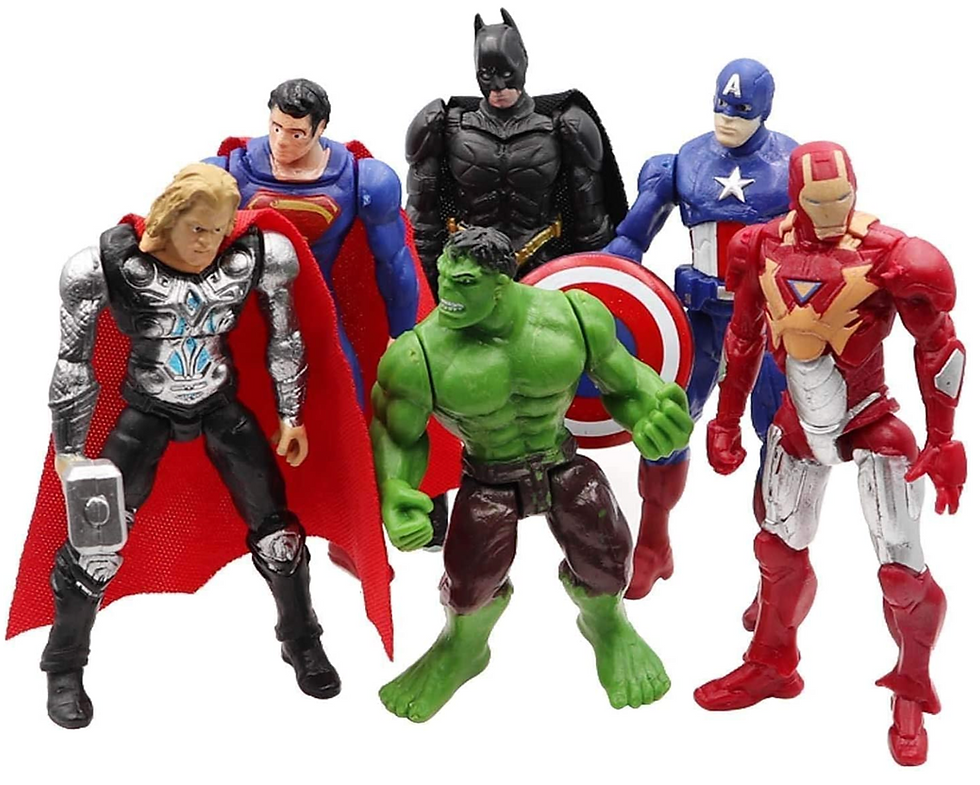 |
30-36 months | Rough and tumble | Bring your play outside to enjoy a game of football, enjoy a friendly pillow fight, play tag at your local park! |
The Fourth and Fifth Years
Age | Type of Play | Appropriate Toys |
4-5 years | Dramatic play |  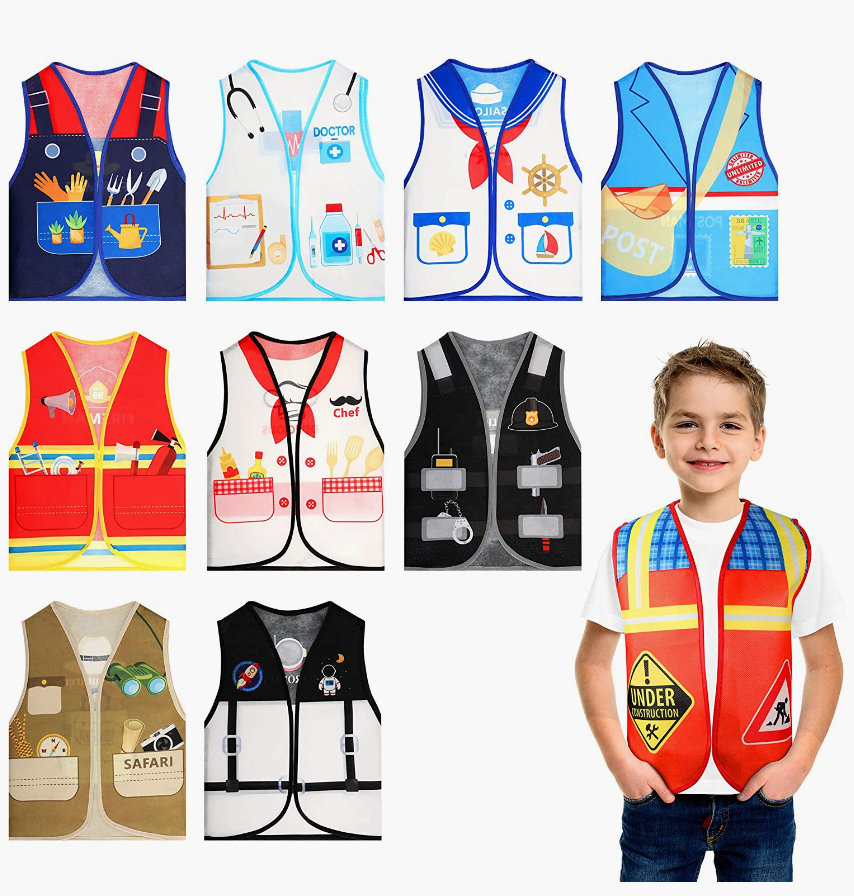 |
5 years | Games with rules | Simon says is a great low-cost option. Board game are really great to work on a variety skills at once while encouraging this new stage of play development.     |
These stages of play are fluid and estimated age ranges. If your child enjoys games with rules at three years old, that is perfectly fine! Join in the fun! Similarly, the toys are just suggestions and can be switched out for other items that you as a caregiver see fit. This list is not exhaustive, but it provides an easy-to-follow framework of what you can expect your child to enjoy at each age. The toy suggestions will help you know that you are spending money on things that will encourage rather than inhibit your child's development.
In conclusion, the best tool that can be used to enhance a child development is YOU! Engaging, talking, singing, and playing with YOU is the most effective way to see growth in your child's cognitive, speech, and language development!


Comments